Vending Machines: Convenient Water Access for Everyone
- Hemanth KC
- Apr 2
- 5 min read

In a world where hydration is essential for health and well-being, access to clean drinking water should be a priority for everyone. Yet, many people still struggle to find convenient sources of water, especially in public spaces. Enter vending machines—an innovative solution that provides easy access to water for all. This blog post explores the benefits of vending machines for water access, their evolution, and how they can improve hydration in our daily lives.
The Importance of Hydration
Hydration is crucial for maintaining overall health. Water plays a vital role in various bodily functions, including:
Regulating body temperature: Water helps maintain a stable temperature through sweating and respiration.
Supporting digestion: It aids in breaking down food and absorbing nutrients.
Enhancing physical performance: Staying hydrated improves endurance and reduces fatigue during physical activities.
Boosting cognitive function: Proper hydration is linked to better concentration and mental clarity.
Despite these benefits, many people do not drink enough water daily. According to the Centers for Disease Control and Prevention (CDC), about 75% of Americans are chronically dehydrated. This statistic highlights the need for more accessible water sources, particularly in busy urban environments.
The Evolution of Vending Machines
Vending machines have come a long way since their inception in the late 19th century. Originally designed to dispense simple items like postcards and chewing gum, these machines have evolved into sophisticated devices that offer a wide range of products, including snacks, beverages, and even fresh food.
Early Days
The first vending machines were introduced in the United States in the 1880s. They dispensed items like gum and candy, primarily targeting train stations and other high-traffic areas. As technology advanced, vending machines began to include more complex mechanisms, allowing for a greater variety of products.
Modern Innovations
Today’s vending machines are equipped with advanced technology, including:
Cashless payment options: Many machines now accept credit cards, mobile payments, and contactless transactions, making it easier for users to purchase items.
Smart technology: Some vending machines are connected to the internet, allowing operators to monitor inventory levels and sales data in real-time.
Eco-friendly options: Many machines now offer sustainable products, such as bottled water sourced from environmentally responsible suppliers.
These innovations have made vending machines a more appealing option for consumers seeking convenient access to hydration.
Benefits of Vending Machines for Water Access
Vending machines dedicated to water access offer numerous advantages, including:
Convenience
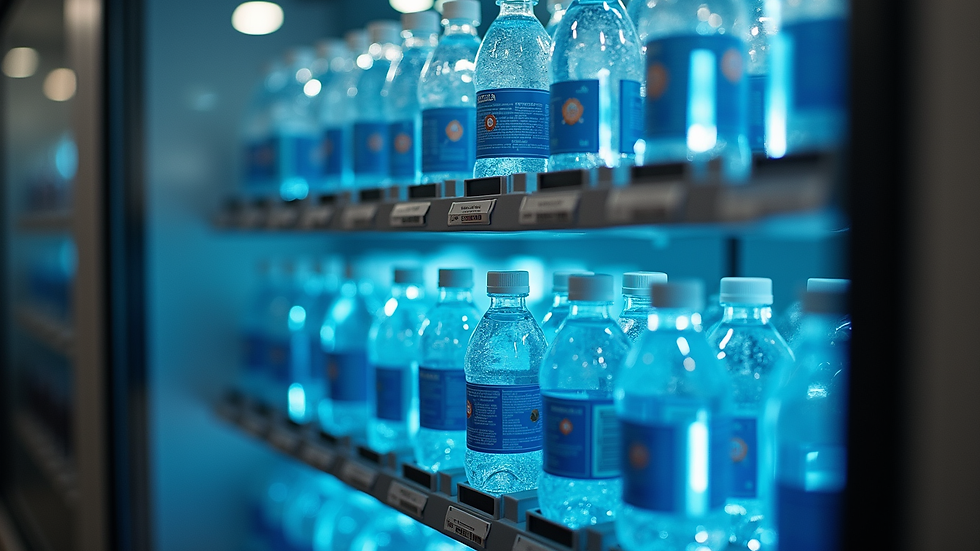
Vending machines are strategically placed in high-traffic areas, such as schools, parks, and office buildings. This placement ensures that individuals can easily find and purchase water when they need it most. With 24/7 availability, these machines provide a reliable source of hydration at any time.
Variety
Modern vending machines can offer a range of water options, including:
Bottled water: Standard bottled water is widely available and convenient for on-the-go hydration.
Flavored water: For those who prefer a little variety, flavored water options can make hydration more enjoyable.
Sparkling water: This option caters to those who enjoy carbonated beverages without the added sugars found in sodas.
Affordability
Vending machines typically offer competitive pricing for bottled water, making it an affordable option for consumers. This affordability is crucial in promoting hydration, especially in areas where access to free water sources may be limited.
Health Promotion
By providing easy access to water, vending machines can help promote healthier choices. When individuals have convenient access to water, they are less likely to opt for sugary drinks or unhealthy snacks. This shift can lead to improved health outcomes and a reduction in obesity rates.
Case Studies: Successful Water Vending Machine Implementations
Several cities and organizations have successfully implemented water vending machines to improve public access to hydration. Here are a few notable examples:
New York City
In 2018, New York City launched a pilot program to install water vending machines in various parks and recreational areas. These machines offer free filtered water, encouraging residents and visitors to stay hydrated while enjoying outdoor activities. The initiative has been well-received, with many users praising the convenience and quality of the water.
Los Angeles
Los Angeles has also embraced the idea of water vending machines. The city installed several machines in high-traffic areas, such as bus stations and community centers. These machines provide affordable bottled water and promote hydration among residents, particularly in underserved neighborhoods.
Schools and Universities
Many educational institutions have recognized the importance of hydration for students. Schools and universities across the country have installed water vending machines to ensure that students have easy access to water throughout the day. This initiative not only promotes healthy habits but also supports academic performance by keeping students hydrated and focused.
Challenges and Considerations
While vending machines for water access offer numerous benefits, there are also challenges to consider:
Maintenance and Upkeep
Regular maintenance is essential to ensure that vending machines remain functional and stocked. Operators must monitor inventory levels, clean machines, and address any technical issues promptly. Neglecting maintenance can lead to decreased user satisfaction and reduced sales.
Environmental Impact
The environmental impact of bottled water cannot be ignored. While vending machines provide convenient access to hydration, they also contribute to plastic waste. To mitigate this issue, operators can consider offering refillable water stations alongside vending machines, encouraging users to bring their own reusable bottles.
Accessibility
While vending machines are generally accessible, it is essential to consider individuals with disabilities. Ensuring that machines are designed for easy use by all individuals, including those with mobility challenges, is crucial for promoting inclusivity.
The Future of Water Vending Machines
As technology continues to advance, the future of water vending machines looks promising. Innovations such as smart vending machines equipped with touchless payment options and real-time inventory tracking will enhance user experience. Additionally, the integration of refillable water stations can further promote sustainability and reduce plastic waste.
Community Engagement
Engaging with the community is vital for the success of water vending machines. Operators can gather feedback from users to improve machine offerings and locations. Collaborating with local organizations and health departments can also help raise awareness about the importance of hydration and encourage healthier choices.
Expanding Access
Expanding the reach of water vending machines to underserved areas can significantly impact public health. By strategically placing machines in neighborhoods with limited access to clean drinking water, communities can improve hydration rates and overall well-being.
Conclusion
Vending machines dedicated to water access provide a convenient solution for promoting hydration in our daily lives. By offering easy access to clean drinking water, these machines can help combat dehydration and encourage healthier choices. As we continue to innovate and expand access to hydration, it is essential to consider the challenges and work towards sustainable solutions. Together, we can ensure that everyone has the opportunity to stay hydrated and healthy.
By embracing the potential of water vending machines, we can create a future where convenient access to hydration is available for all.

Comments